
Discover the best freelancing platforms in 2026. Compare websites, fees, features, and beginner tips to find clients and start freelancing.
You know that there are lots of ways to find clients online whether you want to write content somewhere, do graphic design, code something, or provide virtual assistance. But, it’s also easy to waste time searching for the best site when you’re just starting out or struggling to find work.
This article is going to give an overview of the best freelancing platforms as of 2026, give a little background on what makes them different, and help you understand how to choose what to start with.
Key Takeaways
- Freelancing platforms connect independent professionals with clients seeking specific services or completed projects.
- Different platforms support project proposals, packaged services, job listings, design contests, and screened talent networks.
- The best freelancing platform depends on your skills, experience, budget, preferred work model, and payment options.
- Beginners can explore platforms such as Upwork and Fiverr, but competition and eligibility requirements vary.
- Platform costs may include service fees, subscriptions, proposal expenses, and payment-processing charges.
- A focused profile, relevant portfolio samples, and personalized proposals can improve your chances of attracting clients.
- Checking platform rules, payment availability, and safety features before accepting work helps you make informed decisions.
What Are Freelancing Platforms?
Freelancing platforms are websites where independent professionals can be hired to complete various tasks. Such needs might arise when an employer cannot do specific work on their own, for instance, design a logo for a company or develop a website for a startup.
First, normally, freelancers create their profiles, describe their skills and provide examples of their work. Then, based on the platform’s characteristics, they can send a proposal, post their services, respond to the job offer or apply to the talent pool.
Common freelance services include:
- Writing and editing: Blog posts, website copy, proofreading, and technical writing.
- Graphic design: Logos, social media graphics, and brand identity.
- Web development: Website creation, programming, and maintenance.
- Digital marketing: SEO, email marketing, and social media management.
- Virtual assistance: Administrative support, scheduling, and research.
- Video editing: Short-form videos, promotional content, and YouTube editing.
In addition, not every service works in the same manner. Open marketplaces allow freelancers to compete for work, whereas curated networks will typically vet applicants before connecting them with clients, and remote job boards simply advertise positions, as opposed to facilitating the entire freelance transaction.
Why Are Freelancing Platforms Important?
Professional projects allow you to find clients without having to rely only on your personal contacts and local job market.
Additionally, these platforms may provide useful features such as:
- Searchable profiles and portfolios.
- Messaging and project-management tools.
- Contracts, milestones, or payment-protection mechanisms.
- Client reviews and work histories.
- Access to opportunities across different industries.
However, joining the platform is no guarantee of getting work or earning money. The competition, demand for services, and one’s skill and efficiency play an important role in determining results. The communication abilities, cost of one’s services, and platform’s policies are also significant considerations.
Therefore, choose a platform based on how you plan to find clients, not simply on its popularity.
What Are the Best Freelancing Platforms in 2026?
The Best Freelancing Websites Help you sell or buy various services. The below ten sites will give you a starting list; but, don’t consider it as the best rated list of any kind.
1. Upwork: Best for Project-Based Freelance Work
First, Upwork connects businesses with freelancers across categories such as writing, development, design, and consulting. Freelancers commonly search for projects and submit proposals describing how they can solve a client’s problem.
Best for: Freelancers who want project-based contracts, hourly work, or longer client relationships.
Advantages:
- Access to projects across multiple professional categories.
- Tools for contracts, communication, and payments.
- Opportunities for both short-term and ongoing work.
Limitations: Popular projects can attract competition, and submitting proposals may involve Connects or other costs.
Upwork’s official pricing page states that freelancer service fees range from 0% to 15%, depending on the contract. Its Freelancer Plus plan is also available as a paid subscription. Verify current terms before applying. — Source: Upwork Freelancer Pricing.
2. Fiverr: Best for Selling Packaged Services
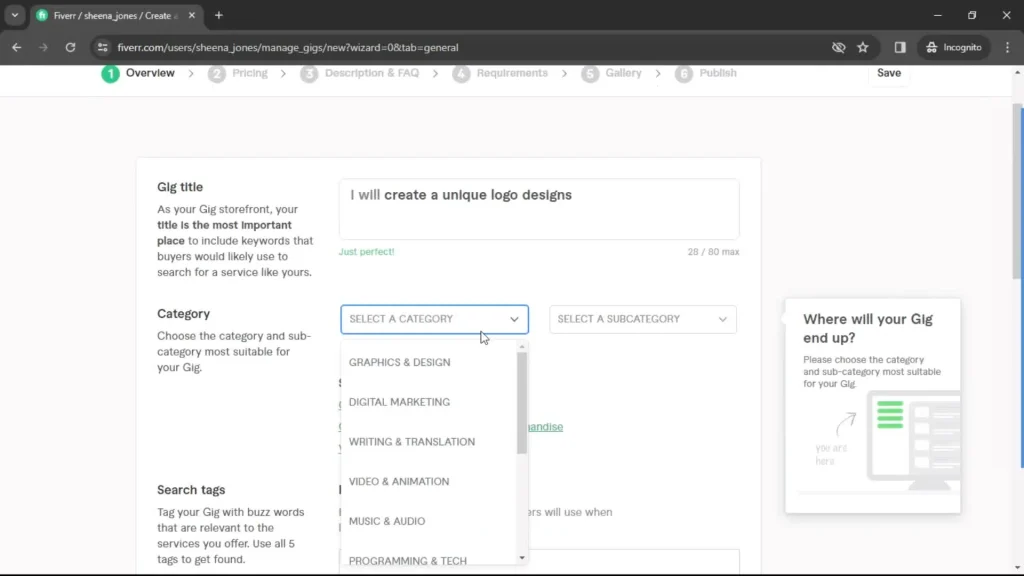
Next, Fiverr allows freelancers to create service listings, commonly called Gigs, that explain what they offer and what clients can purchase.
For example, a video editor might offer a short-form video editing package with defined deliverables and revision limits.
Best for: Freelancers who can package services into clearly defined offers.
Advantages: Service listings can showcase examples, packages, and specific deliverables.
Limitations: Visibility takes time to build, and competition can be intense in popular categories.
Before setting prices, review Fiverr’s current seller fees, order requirements, and payment rules. Avoid assuming that publishing a Gig automatically generates orders.
3. Freelancer.com: Best for Bidding on Projects
Similarly, Freelancer.com lets users browse projects, submit bids, and participate in design or other contests.
For example, a website developer might submit a proposal explaining the project scope, timeline, and deliverables.
Best for: Freelancers comfortable evaluating project listings and competing through proposals.
Advantages: A wide range of project categories and contest-based opportunities.
Limitations: Bidding competition, account requirements, and fees can affect the value of opportunities.
According to its official fee schedule, freelancers generally pay a 10% fee or a $5 minimum on fixed-price projects, whichever is greater, and 10% on hourly projects. Other conditions and charges may apply. — Source: Freelancer.com Fees and Charges.
4. PeoplePerHour: Best for Service-Based Projects
Meanwhile, PeoplePerHour connects businesses with freelancers for services such as writing, design, marketing, and development.
Best for: Professionals seeking a mixture of project listings and service-based opportunities.
Its suitability depends on the clients and projects available in your category. Check current application requirements, fee tiers, and payment terms before investing time in your profile.
5. Guru: Best for Professional Freelance Relationships
In addition, Guru offers a marketplace where clients can find professionals across various business and technical categories.
Best for: Freelancers who want to present a professional portfolio and pursue project-based client relationships.
Review its available payment arrangements, membership options, and fee structure before accepting a contract. The value of the platform depends on whether its active projects match your expertise.
6. Toptal: Best for Experienced Professionals
Unlike general marketplaces, Toptal uses a screening process to assess applicants’ skills and professionalism.
Best for: Experienced developers, designers, finance professionals, and other specialists whose expertise matches its talent network.
The company says its screening process typically takes several weeks and that fewer than 3% of applicants are accepted. These are company-reported figures, not an independently verified acceptance rate. — Source: Toptal Screening Process.
Consequently, Toptal may be less suitable for someone who is just beginning to learn a skill.
7. Contra: Best for Independent Professionals and Portfolios
Next, Contra provides tools for independent professionals to present their work and manage client projects.
Best for: Designers, developers, marketers, and other professionals who want to showcase a portfolio and manage independent client relationships.
Review its current platform fees, payment-processing costs, and subscription terms. A platform described as commission-free may still involve other transaction or service charges.
8. 99designs: Best for Graphic Designers
For design specialists, 99designs focuses on creative work, including logos, branding, and visual design.
Best for: Designers whose portfolios demonstrate a clear visual style and relevant skills.
The platform has offered both direct client projects and design contests. Before participating, understand the contest rules, compensation terms, and amount of unpaid speculative work involved.
9. FlexJobs: Best for Remote and Flexible Job Listings
Unlike a conventional freelance marketplace, FlexJobs focuses on remote, flexible, and other nontraditional job opportunities, including freelance roles.
Best for: Job seekers who want to explore vetted remote and flexible listings.
FlexJobs requires a subscription to access its full job database. Its published pricing includes a $2.95 14-day trial that automatically renews at $23.95 every four weeks unless canceled. Check the official pricing page for current terms before subscribing.
10. ProBlogger: Best for Blogging and Writing Opportunities
Finally, ProBlogger is a resource for finding blogging and writing opportunities.
Best for: Content writers, bloggers, and editors seeking relevant writing assignments.
Unlike a full-service freelance marketplace, a job board may direct you to contact the employer and arrange terms independently. Review each listing carefully and verify the client before beginning work.
How Do Freelancing Platforms Compare?
Freelancing platforms differ in how clients discover talent, how freelancers compete, and how payments are handled. For example, Fiverr emphasizes packaged services, while Upwork commonly involves proposals for individual projects.
| Platform | Main model | Suitable for | Important consideration |
|---|---|---|---|
| Upwork | Proposals and contracts | Various professional services | Connects, fees, and competition |
| Fiverr | Published service packages | Clearly defined services | Listing visibility and seller fees |
| Freelancer.com | Bidding and contests | Project-based work | Fees and bidding requirements |
| PeoplePerHour | Services and projects | Various freelance categories | Eligibility and fee structure |
| Guru | Project marketplace | Professional services | Payment arrangements and membership |
| Toptal | Screened talent network | Experienced specialists | Selective screening |
| Contra | Portfolio and client projects | Independent professionals | Transaction and service costs |
| 99designs | Design projects and contests | Graphic designers | Contest terms and competition |
| FlexJobs | Remote job listings | Flexible and freelance roles | Paid subscription |
| ProBlogger | Writing job listings | Bloggers and writers | Client verification and direct arrangements |
Moreover, this comparison is qualitative rather than a claim that one platform has the highest earnings or the lowest overall cost. Fees and features can change, and the most suitable option depends on your circumstances.
Which Freelancing Platforms Are Best for Beginners?
For beginners, the best starting point is usually a platform that matches a specific skill and provides access to relevant clients.
For example:
- Writers: Explore Upwork, Fiverr, and ProBlogger.
- Graphic designers: Consider Fiverr, Upwork, and 99designs.
- Web developers: Explore Upwork, Fiverr, and Contra.
- Virtual assistants: Investigate Upwork, Fiverr, and relevant remote job boards.
- Experienced specialists: Consider Toptal if you meet its requirements.
However, these are starting points, not guarantees of success. Before registering, check whether the platform accepts applicants from your country, supports your preferred withdrawal method, and has projects that fit your experience.
How Do You Choose the Right Freelancing Platform?
Choosing a suitable platform involves comparing your skills, target clients, working preferences, and costs. For example, a logo designer who sells fixed packages may prefer a different workflow from a developer who needs detailed project contracts.
Follow these five steps:
- Identify your service. Choose a specific offer, such as editing short videos or writing product descriptions.
- Research client demand. Review current listings to see whether businesses are requesting your service.
- Compare total costs. Check platform fees, proposal expenses, subscriptions, withdrawal charges, and currency conversion.
- Verify payment eligibility. Confirm that your country and preferred payment method are supported.
- Review safety features. Understand the platform’s contracts, milestone arrangements, dispute process, and account rules.
Additionally, start with one or two platforms instead of creating accounts everywhere. Concentrating your effort makes it easier to improve your profile and learn what attracts clients.
How Can You Get Your First Client on a Freelancing Platform?
Getting your first client requires a clear service offer, evidence of your ability, and consistent communication. For example, a beginner writer can create two sample blog posts that demonstrate research, organization, and writing quality.
Use this practical process:
- Create a focused profile. Explain the service you provide, the problems you solve, and the type of client you help.
- Build portfolio samples. Prepare two or three relevant examples, clearly labeling personal or practice projects.
- Write personalized proposals. Address the client’s requirements instead of sending the same generic message to every listing.
- Define the project scope. Confirm deliverables, deadlines, revisions, and payment terms before starting.
- Communicate professionally. Ask relevant questions, provide realistic timelines, and keep project updates clear.
- Learn from your results. Track proposals, responses, interviews, and completed work to identify what needs improvement.
Furthermore, avoid promising results you cannot control. A specific, honest proposal is more useful than exaggerated claims about your experience or abilities.
What Fees, Payment Methods, and Safety Risks Should You Understand?
Freelance platform costs can include service fees, paid memberships, proposal-related expenses, withdrawal charges, and currency conversion. For example, a $100 project does not necessarily mean you will receive $100 after all applicable costs.
Before accepting work, check:
- The current freelancer service fee and how it is calculated.
- Any minimum account balance, subscription, or proposal costs.
- Supported withdrawal methods and country restrictions.
- Minimum withdrawal amounts and payment-processing charges.
- Contract, milestone, cancellation, and dispute policies.
Additionally, watch for common warning signs, including requests to pay suspicious upfront fees, fake checks, equipment-purchase schemes, and clients who ask you to violate platform payment rules.
Never assume that a marketplace eliminates every risk. Verify the client’s identity where possible, keep written agreements, and use available payment safeguards.
What’s Next? Your Freelancing Action Plan
Starting freelancing becomes more manageable when you focus on a few concrete actions instead of trying to master every platform at once.
During your first week:
- Day 1: Choose one service based on your existing skills.
- Day 2: Research relevant platforms and compare their costs and eligibility rules.
- Day 3: Create two portfolio samples or improve existing work.
- Day 4: Write your profile and define your service offer.
- Day 5: Publish your listing or identify suitable projects.
- Days 6–7: Submit tailored proposals, review feedback, and refine your approach.
For instance, a beginner video editor could prepare two sample edits, create a focused profile, and apply to suitable projects instead of offering unrelated services.
As you gain experience, review which approaches attract relevant inquiries and which consume time without producing useful results. Adjust your pricing, portfolio, and platform choices based on what you learn.
Conclusion: Which Freelancing Platform Should You Choose?
The best freelancing platform is the one that fits your skills, experience, preferred work model, and access to reliable payments. Upwork and Freelancer.com emphasize project-based opportunities, Fiverr supports packaged services, and specialized options such as Toptal and 99designs serve different professional needs.
Ultimately, you do not need to join every platform to begin. Choose one or two suitable options, prepare a focused profile, and demonstrate your skills through relevant portfolio samples.
Your next step is simple: select a service you can deliver well, compare suitable platforms, and take your first practical step toward finding a client.
